
Why QBC
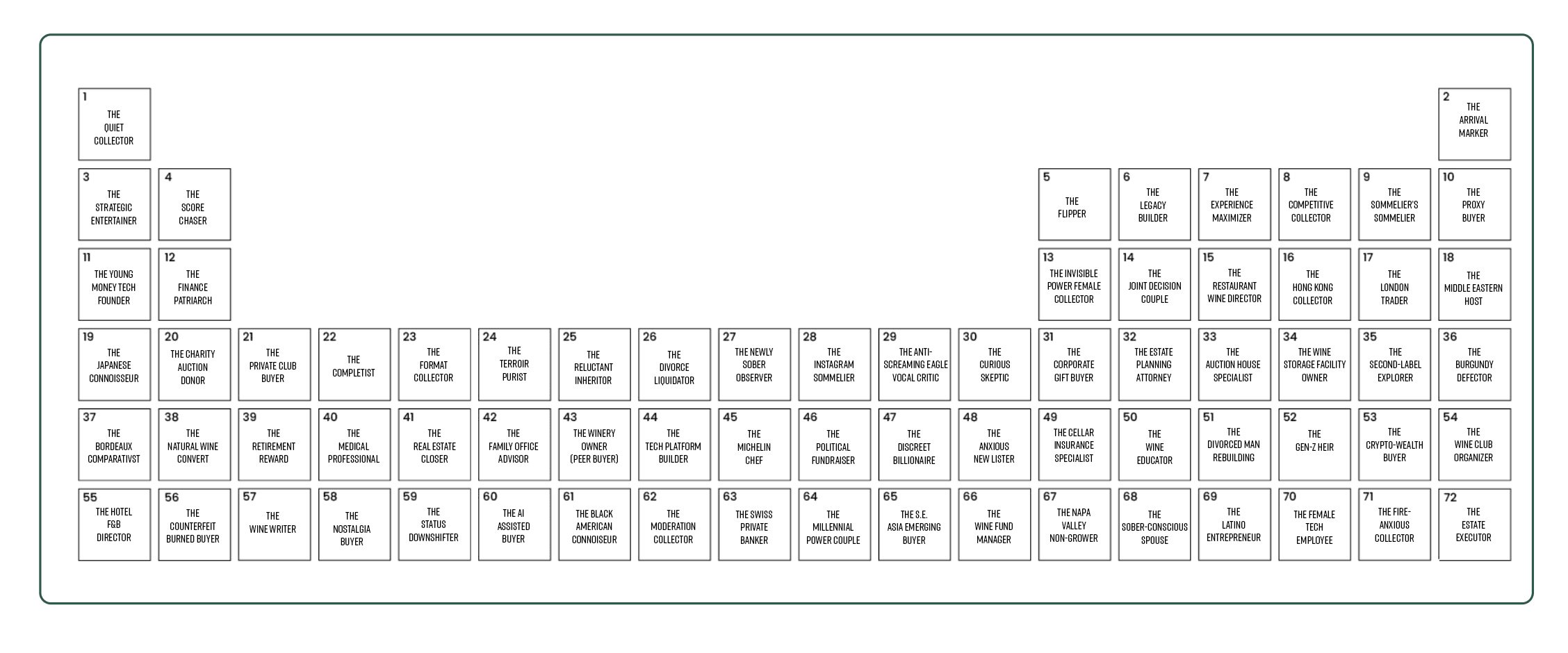
Every QBC terrain is a map of the active “voices” inside a given market, electorate, population, set of stakeholders. Each voice is a structured, 23 point cognitive profile. Each terrain is analogous to a chemistry lab working with all 118 known elements in active relationship to each other, versus a lab working with an arbitrary set of 6, 8, 12 elements.
Be in dialogue with any group you want modeled, any audience, any stakeholders, any terrain. Any time.
NOT SYNTHETIC, DEMOGRAPHICS-ANCHORED BOT PERSONAS.

The synthetic-persona method base-level LLM’s (Claude / Gemini / ChatGPT / DeepSeek, etc.) are built on begins with demographic categories such as age, gender, income, geography, occupation, etc. The models then make up and “fill in” biographical and psychological detail that fit those top-down labels. The resulting personas are nothing more than character sketches of what (for example) an LLM thinks that a 40 year old, female, $50K a year, Seattle Yoga Instructor might be like.
QBC reverses the direction. It begins beneath demographic and psychographic labels, with computational cognitive units we refer to as Quanti. It models how interactions among those units generate motivations, meanings, identity commitments, trust relationships, internal tensions, resistance, and change. Demographic and behavioral characteristics can then emerge within the modeled persona rather than predetermining that persona from above (instead of assuming a Seattle Yoga Instructor’s favorite food is Salmon or that she votes along expected political party lines).
Once a user has access to a QBC group terrain, they can interact with it, without it changing the basis for its own responses. Users can examine differences among its voices, inspect the modeled causes of a proposed messaging strategy or response, introduce new evidence, and compare predictions a QBC terrain makes about any group with observed outcomes. Unlike pure “black box” responses from A.I. models without a QBC layer, terrain-anchored QBC outputs can therefore be audited, challenged, updated, and progressively validated rather than accepted as an opaque AI answer.